Swimmers who maintain efficiency and produce stronger finishes in 200 metre freestyle races, have a better understanding of their own breathing habits.
The energy system used for this type of event is largely anaerobic, where oxygen is less used. However, it is important that gas exchange happens in the lungs to push out metabolic waste in the form of carbon dioxide (CO2), which otherwise reduces swimmers performance through early onset fatigue.
Sports science has given us information on Maximal Lactate Steady State (MLSS), where most of the metabolic waste (Lactic Acid) is removed out of the working muscle tissues by blood. The heart rate is regulated by the CO2 concentration in the blood. As the workout intensity increases, the amount of CO2 in blood increases, which signals the heart to beat faster and pump the blood carrying CO2 quicker to lungs where CO2 is pushed out. It is said that 4.3% of exhaled air has carbon dioxide in it.
To learn how to breathe during a race, swimmers will be required to practice during training for several years. HC coaches have observed that through the swim training phase, competitive swimmers are seen exhaling half heartedly when compared to inhalation. Due to this habit, swimmers often do not empty their lungs fully. This lowered ventilation can cause buildup of CO2 in the lungs, which in turn reduces the gas exchange between blood and lungs. CO2 retained in the blood fails to remove excess CO2 from muscle tissues. This accumulated CO2 in muscles becomes Lactic Acid, which further hampers muscle functionality and brings in fatigue.
During training consider the following:
1. Clean and fully exhaled to allow for a better oxygen flow to your muscles during exercise to reduce fatigue. With efficient breathing training and correct breathing patterns, swimmers can optimize oxygen uptake in muscles. This is due to Metabolic Reflex: a physiological function that regulates a persons ability to perform a physical exercise.
When threshold is reached, your breathing muscle sends a signal to your nervous system and brain. As a reaction, the brain sets off a command which reduces the diameter of blood vessels in the active limb muscle. Once your breathing muscle tires, the effect is the same. Isolated respiratory muscle training makes them stronger, faster, and more efficient.
2. Increase lung capacity by keeping head down into the wall and out of the streamlines. Vital lung capacity is the amount of air exhaled after maximum inhalation. For swimmers, increased lung capacity will mean you can execute better underwater during training and competition, which is a critical part of fast swimming. Having better range of motion in diaphragm, reduces the air remaining in the lungs, you can go longer between breaths while swimming. HC coaches write sessions around swimmers improving their lung capacity, free speed, head down off first stroke out of breakouts and 25m sprints without a breath are just some skills brought into sessions to improve swimmers outcomes.
3. Sprint work, holding breath for short periods, based on swimmer’s abilities and coaches instructions. Specific breath-hold exercises will teach swimmers to find comfort in keeping their head down. Most often when swimmers feel like they are running out of breath, the body is actually trying to exhale to get rid of the CO2 build up. However, CO2 actually helps with O2 absorption. Once swimmers become comfortable with their breath holds, their muscle oxygenation will improve. These improvements will result in better performance and speed. Building strength and flexibility in diaphragm & intercostal muscles will make sure
there is no wasted unnecessary energy on breathing.
4. Increase mobility to rotate and hold body position. The upper body is critical in swimming. Maintaining a proper range of motion through the joints and building strength will help you be more efficient in water. Most of the swimmers have thoracic mobility restrictions. Breathing dynamics are dependent on the movement of the thoracic spine . Improving your thoracic mobility and stability will increase the coordination of diaphragm breathing with each stroke.
5. Keep calm and focused. Mental health and general well being can also be enhanced while doing breathwork. Some of the most benefits for swimmers will be lower anxiety and strengthening of focus before the race. Using certain breathing exercises can help swimmers cope with anxiety and support them in focusing on the goal while slowing down their heart rate and diverting focus to their breathing.
Some training ideas to improve aquatic breathing are:
● Breathwork before and after swim sessions
● Ashtanga Vinyasa yoga which is a form of yoga which deals with movement and breathing.
● Teaching long deep exhalations from pre competitive levels or even learn to swim levels
● Respiratory Muscle training with personal equipment.
Niroop and HC Coaches
How to balance training and life as an age group swimmer
Many age group swimmers (between ages 10 – 17years) and their parents can find trying to balance swimming demands overwhelming. Having a swimmer in the family can impact such things as, family time, holidays, weekends, meal-times and sleep.
More recently, due to many studies around the world, the philosophy around training age group swimmers has evolved and coaches are understanding the benefits for swimmer performance long term if individuals are provided with a more balanced approach towards their swimming.
Swimming organisations around the world are working with universities to provide a better understanding, in regards to children development in relation to swimming training. A couple of links below will provide additional information regarding this process:
Swimming Australia - Project H2Grow
GROWTH AND DEVELOPMENT OF SWIMMERS (teamunify.com)
These studies have recognised greater achievement as an older swimmer when greater emphasis is placed on balancing training, skills and technique with additional activities such as; team sports, bike riding, surfing, yoga, dance and free play are offered. These activities support their growing bodies with better mobility and flexibility, which will enable their swim coach with the ability to provide stroke correction more effectively. The swimmers are then able to adapt to the change in a shorter period.
Swimmers who are more balanced can enjoy swimming as a whole and then be more prepared physically and mentally as they feel less like there has been a sacrifice given to achieve their goals, this then channels a focus towards enjoyment of the process. The purpose for a quality age group coach is to manage the swimmers through the years towards moving into an open swimmer who has then a high-quality level of swimming techniques and continues to enjoy swimming. This process can prove difficult if the swimmer feel they have made great sacrifices to being in the sport during the age group years.
The key elements to consider towards providing a more balanced approach are:
- Plan holiday breaks for the family after talking with the coach around optimum times throughout the year
- Ensure the swimmers can plan a free day during the week
- Plan an adaption long weekend after attending 48 – 52 sessions
- Balance sessions throughout the week with the coach to include additional activities
- Re-assess attending every swim meet or time trial and be more specific to allow the swimmer weekend time
- Consider writing down goals related to skill development as well as times without time frames
- Look into adding mobility and flexibility exercises into the schedule to support the risk of injuries such as shoulders rotation. The swimmers understanding of how their body moves can assist in their ability to apply changes to their stroke more effectively and efficiency.
Age group swimmers will be in this stage of their development for around 8 years. Four of these years are in the learning to train phase, followed by the training to train phase. It is essential that they are provided with the best environment to develop mentally and physically during this period to maximise their performance as they are moving forward into being well rounded open swimmer.
The family and the swimmer will be better prepared as a whole by taking their time and enjoying the process, injury free.
Rachel Brennemo (Performance Coach) and the HC Coach Team
At Collegiate Pool, we offer a flexible swimming program tailored to your child's individual progress. There's no need to wait until the end of the term for advancement; students can move through to the next levels as soon as they confidently demonstrate their skills, typically after three successful practices. Our goal is to simplify the learning experience, allowing students to progress within their current class without needing to change teachers or lesson times.
Generally, it takes about four years for children starting at age 5 to become proficient swimmers, provided they attend all 20+ hours of instruction throughout the year consistently. Each term, a half-hour lesson equates to approximately six hours of instruction.
To help your child advance more quickly, we encourage you take them to the pool between lessons for additional play and practice. To assist with this process Collegiate Pool offers a lane for current learn to swim students to practice their skills from 11:00am to 11:45am on Sundays (commencing 9 November 2025).
If you are interested in starting your learn to swim journey, click here:
Or if you wish to find out more info you can submit an enquiry here:
Across Australia, more older primary and secondary students are reaching adolescence without essential swimming and water-safety skills. Royal Life Saving’s 2024 National Drowning Report recorded 323 drowning deaths in the previous year—16% above the 10-year average—reminding us why these skills matter for life.
What the latest research says
New national research from Royal Life Saving (RLS) shows a worrying skill gap as children move from primary to high school:
About half of Year 6 students are below the National Swimming and Water Safety Benchmark (can’t swim 50 m and tread water for two minutes).
Four in ten Year 10 students still can’t meet the Year 6 benchmark.
Lifesaving endurance is rare in mid-teens—around 84% of 15–16-year-olds can’t yet meet the age-17 standard (400 m continuous swim + 5-minute float/tread).
1 in 10 children (5–14) have never attended lessons. Many stop between ages 7–9, before they’ve cemented core survival skills.
These findings sit alongside Australia’s National Swimming and Water Safety Framework, which sets age benchmarks: by age 12, children should be able to swim 50 m and float/tread water for 2 minutes; by age 17, at least half of Australians should be able to swim 400 m and float/tread for 5 minutes, alongside rescue and survival competencies.
COVID-19 disruptions made the gap larger. RLS estimated Australian children missed ~10 million swimming lessons over the pandemic years, which has had a lingering effect on confidence and skills—especially for those who were just about to start or progress lessons.
It’s not “too late”—older beginners learn quickly with the right setting!
Older children and adolescents often progress faster than very young beginners because they can follow instructions, self-reflect, and practise purposefully. The keys are:
- A welcoming, age-appropriate group, so students don’t feel out of place among much younger children.
- Clear milestones that align with national benchmarks (50 m / 2 min survival at ~12; 400 m / 5 min survival by ~17).
- Consistent attendance, plus short bursts of holiday intensives or supervised practice, to lock in skills between lessons.
Our pathway for older beginners
A1 — 7 Years Plus (Water Familiarisation)
Who it’s for: Children 7 years and over who are new to lessons or returning after a long break and want to start in a class designed for their age.
How it runs:
Offered during our normal Learn-to-Swim program times, so families can book into familiar schedules.
Older students are grouped together, ensuring they aren’t placed with much younger children.
Focus:
Building water confidence: safe entries/exits, breath control, body position, submersion.
Foundations of floating and recovery (key survival skills) and short-distance propulsion.
Gentle, encouraging coaching that recognises older beginners may feel self-conscious in mixed-age groups.
Adolescent Beginners — Evenings (9 Years+)
Who it’s for: Ages 9 and over who are learning to swim and prefer a dedicated class outside our main Learn-to-Swim times. Ideal for students who feel uneasy joining younger groups, have sensory considerations, or just want a quieter pool environment.
How it runs:
Evening classes with peers of a similar age.
A supportive, low-pressure vibe that normalises being a beginner at any age.
Coaching that prioritises survival skills first, then builds into efficient freestyle and backstroke.
What to expect?
A judgement-free start: Your child won’t be the only older beginner. Lots of families are starting later, especially after the pandemic.
Evidence-aligned milestones: We design our lesson goals to align with the National Swimming and Water Safety Framework benchmarks—so your child’s progress maps to recognised national standards.
Visible progression: From confident submersion and floating → short propulsion → 25 m stamina and controlled breathing → 50 m continuous swim and 2-minute survival float/tread → (for teens) staged endurance to 200–400 m with stronger technique and water-safety scenarios.
Ready to start?
A1 — 7 Years Plus (Water Familiarisation): Runs during regular LTS times, perfect for 7–12 year-olds taking their first strokes.
Adolescent Beginners (9+): Evening classes for older learners who want a quieter, age-matched group outside normal LTS.
Click here to view availability and enrol:
References
Royal Life Saving Society – Australia (2024) National Drowning Report 2024. Available at: https://www.royallifesaving.com.au/research-and-policy/drowning-research/national-drowning-reports (Accessed: 8 September 2025).
Royal Life Saving Society – Australia (2025) From Primary to High School: A Generational Decline in Swimming Skills. Available at: https://www.royallifesaving.com.au/about/news-and-updates/news/2025/mar/decline-in-swimming-skills-puts-lives-at-risk (Accessed: 8 September 2025).
Royal Life Saving Society – Australia (2020) National Swimming & Water Safety Benchmarks. Available at: https://www.royallifesaving.com.au/about/news-and-updates/news/2020/aug/framework (Accessed: 8 September 2025).
ABC News (2023) Children missed ~10 million lessons during COVID-19. Available at: https://www.abc.net.au/news/2023-01-09/new-report-estimates-children-missed-10-million/101836614 (Accessed: 8 September 2025).
When people think about learning to swim, they often picture mastering strokes like freestyle or breaststroke. While those skills are important, one of the most underrated and lifesaving techniques is far simpler: the ability to float on your back.
Back floating isn’t just a step in the Learn to Swim journey—it’s a vital water safety skill that can save lives.
🌊 Why Back Floating Matters
- A Resting Position in the Water
Swimming can be tiring, especially for beginners or young children. If a swimmer gets too exhausted to continue, floating on the back allows them to rest, conserve energy, and regain control. It buys valuable time until they can swim again or call for help. - Breathing Made Easy
Unlike treading water or floating face-down, back floating keeps the mouth and nose clear of the surface, making breathing easier and more natural. For children, it also reduces panic since they don’t have to fight to keep their head above water. - Emergency Survival Tool
In unexpected situations—such as falling into water, being caught in a rip current, or becoming too tired during a swim—knowing how to roll onto the back and float can prevent drowning. It allows the swimmer to stay calm, breathe steadily, and signal for assistance.
🧒 Building Confidence Early
For children, learning to back float provides a huge confidence boost. Once they realise they can relax and breathe safely on their back, their fear of water often decreases. This confidence helps them progress more quickly in other swimming skills, as they know they have a safe “default position” to return to if they ever feel unsure.
🏊 How We Teach Back Floating
At our Learn to Swim program, back floating is taught through a simple progression designed to build trust and confidence:
- Step 1: Mushroom Floats – Swimmers start curled into a ball, feeling the water’s buoyancy and learning to trust it.
- Step 2: Assisted Back Floats – With the support of kickboards or noodles, swimmers practise lying back, relaxing, and breathing steadily.
- Step 3: Independent Back Floats – Gradually, swimmers float on their own, working on body position (ears in the water, hips up, arms relaxed).
- Step 4: Deep-Water Floating & Recovery – Finally, swimmers practise floating without aids in deeper water, learning how to roll from front to back and how to recover confidently from a float.
Through this progression, children learn that floating is not only possible—it’s comfortable, empowering, and potentially lifesaving.
💡 The Takeaway
Back floating may not look as impressive as butterfly or as fast as freestyle, but it is arguably one of the most important skills a swimmer will ever learn. It provides safety, confidence, and peace of mind—for both swimmers and parents.
At the heart of water safety is this simple truth: a swimmer who can float can survive.
At Collegiate Pool, we take pride in our exceptional team of experienced swimming instructors from all over Australia. Our dedicated full-time learn-to-swim teachers bring extensive industry knowledge and expertise, making us one of the few swim schools to employ full-time instructors committed to your child’s swimming journey.
We prioritise regular professional development for our staff, led by industry experts, to ensure we deliver the most effective and efficient swimming instruction. Our goal is to help children learn essential swimming skills in the shortest time possible.
Generally the journey to learn to swim will take students 4 to 6 years.
At Collegiate Pool, children progress through levels with their original instructors, fostering continuity and strong relationships. This means no need to switch classes when they advance! Our teachers carefully assess each child's skills over three consecutive weeks to ensure they are ready to move to the next skill or progression.
Parents are able to monitor their students progress every 4 to 6 weeks through the parent portal.
Families appreciate the opportunity to build lasting connections with instructors, allowing for consistent scheduling with the same time slot and day each week.
Our comprehensive swimming program emphasises overall efficiency in the water. We teach vital concepts like buoyancy, propulsion, and movement, ensuring children feel comfortable both under and on the surface, with and without goggles. This knowledge not only enhances their safety in open water but also helps them conserve energy when needed.
Swimming efficiently opens doors to other aquatic sports such as water polo, surf lifesaving, underwater hockey, and open water swimming. Many of our instructors also find that their swimming skills translate well into land-based sports, providing them with strong aerobic fitness and breath control. Plus, knowing how to swim efficiently means utilising the pool for recovery.
The passionate staff at Collegiate Pool is dedicated to teaching and coaching swimmers, instilling a lifelong love for the water in every student. Join us and be part of a community that values skill, safety, and enjoyment in swimming!
Swimming is a demanding sport, as every swim meet requires qualifying times, regardless of the swimmer's level. Even Olympic qualifications hinge on achieving a specific time; you can finish first or second in a race and still not meet the qualifying criteria. Notably, for events like the Australian age team, swimmers must achieve their qualifying times on the day of the nationals. Championship events also necessitate qualifying in designated meets beforehand.
Coach Sam, has extensive knowledge in this area, having missed the qualifying time for the Olympics himself, which prevented him from competing. Similarly, last year, the national qualifying times for the world championships were crucial for selection.
It's important for swimmers to understand that success is time-based and must be achieved on specific days set by our Association. Best of luck to all swimmers competing in the upcoming state championships! There are valuable lessons to be learned as they refine their skills and strive to swim faster than ever. If they don't achieve their goals this time, with continued practice, they'll have future opportunities to succeed.
This morning, our team discussion centred on the process of growth — both in sport and in life — using the playful analogy of a baby learning to run. In the discussion, a baby was placed on an oval, encouraged to run for a piece of chocolate as motivation. While it showed some signs of movement, it wasn’t ready to run just yet. Later, in a more suitable environment — a lush green field — the baby began to crawl, but still nowhere near running.
This highlighted an important truth: progress takes time, the right conditions, and patience. Development cannot be rushed, and every step is meaningful.
Insights from Our Coaches
Coach Sam, who spent 10 years on the Australian Swim Team under Rohan Taylor (current Head Coach of Swimming Australia), explained that even Olympic swimmers don’t train exclusively in 50m pools. Most of their work is done in 25m pools, with a few focused long course sessions each week dedicated to race-specific preparation and speed.
Coach Rachel shared her 20 years of experience coaching at the AIS during Swimming Australia camps, noting that most training was done in short course pools, with only late afternoon sessions reserved for long course. This reflects the broader philosophy of focusing on quality and efficiency over quantity or tradition.
The swimmers showed great curiosity, asking insightful questions about what it takes to reach the top level.
“I’ve been watching YouTube videos on swimming…”
Coaches welcomed this interest and encouraged swimmers to bring those videos to them, so they could fact-check and discuss how the content applies (or doesn’t) to each swimmer’s current stage of development.
“I’ve seen different training sessions online” or “I’ve seen swimmers lifting heavy weights”
Sam and Rachel reminded the group that every swimmer progresses differently, based on age, maturity, and understanding. They emphasised trusting in the program and explained the importance of building foundational movement and control before introducing strength training. Using yoga as an example, Sam demonstrated the range of movement required at the elite level, reinforcing that flexibility and control come first, then strength.
When appropriate, HC coaches will introduce a tailored strength and conditioning program — one that supports rather than compromises stroke technique or long-term development.
Swimming Success Starts Close to Home
It was noted that 21 swimmers currently on the Australian Men’s National Team are aged between 19 and 30. Over half grew up swimming in the southern states — including Kyle Chalmers, who still trains in Adelaide under Peter Bishop. This serves as a reminder that success is not limited to location — it’s shaped by commitment, consistency, and quality coaching.
The Power of Belief and Trust in the Process
The group also explored the mindset of a swimmer who, despite being two seconds behind on the final lap, still races to win. This is the kind of belief we want to foster — the trust that the training has prepared you, the drive to push through discomfort, and the confidence to stay in the fight even when the odds feel stacked.
When swimmers lose trust in the process, performance can be compromised. But when they believe in their journey, their training, and the support system around them, anything is possible.
Moving Forward Together
As our squad continues to evolve, Rachel and Sam remain committed to protecting the culture, integrity, and positivity that define our club. They will always encourage open questions and discussion, and they promise to answer with both evidence and experience.
Let’s continue to inspire our swimmers to take ownership of their journey, to ask questions, to trust the process — and to believe in their ability to achieve their personal best.
Thank you for your ongoing support as we grow stronger, together.

Coach Rachel and part of the Australian Coaching Team on 2016 at the AIS

Sam in action at the World Championships under a Victorian Swim Coach – Glen Baker
Introduction:
In the world of swimming, innovation and adaptation are key to achieving optimal performance. At the HC Swim Club in Tasmania, coaches Sam and Rachel, Jess, Harry and Mitch have introduced an approach to skill development. By breaking down progressions of skills using shapes as cues, swimmers have experienced significant improvements in their technique and overall performance. This article explores how this unique method has become a driver for change within the swim club and highlights its positive impact on swimmers' abilities.
Breaking Down Skills:
One of the key strategies employed by Coaches at HC Swim Club is the use of shapes to guide swimmers in mastering specific skills. For example, when teaching turns, swimmers are taught to create an ‘h’ shape with their bodies, balancing themselves under the water:
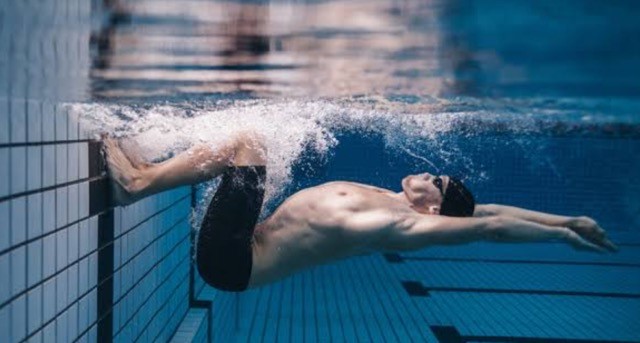
By first practicing this movement on land and then transferring it to the water, swimmers can better understand and execute the necessary actions for a successful turn. This breakdown into biomechanics has proven highly effective in helping swimmers grasp the intricacies of each skill.
Step-by-Step Approach:
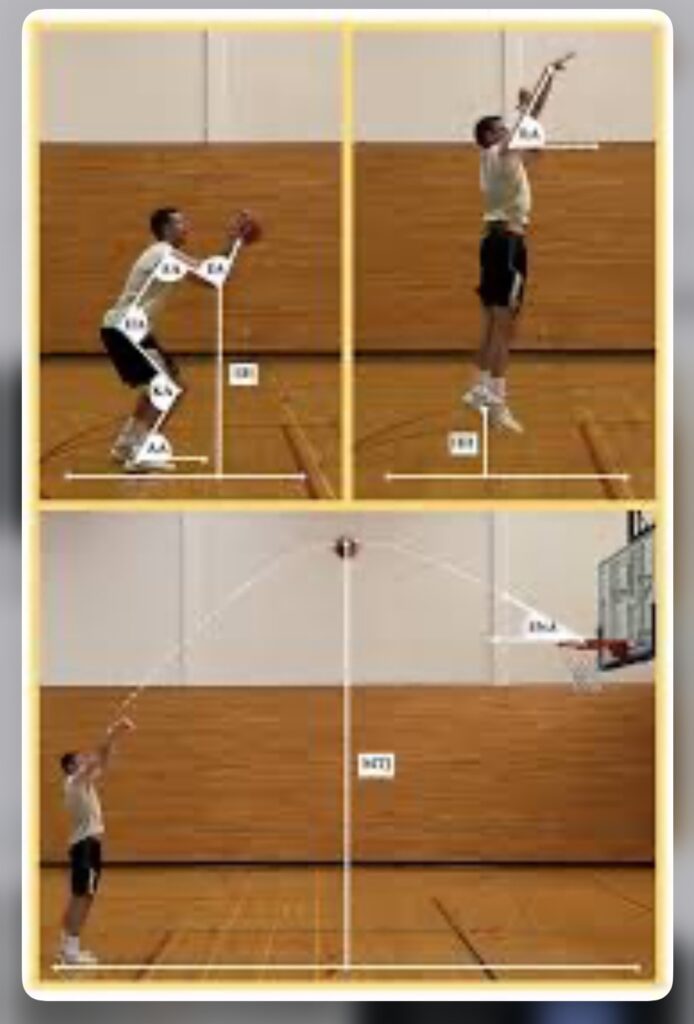
The HC Swim Club coaches have found that breaking down skills into three steps and teaching each one separately yields excellent results. By initially focusing on individual components, swimmers can fully comprehend and master each step before combining them into a cohesive whole. This method allows for a more comprehensive understanding of the skill, ensuring that swimmers can consistently perform it correctly. Once the skill is broken down and repeated, training sets are tailored to the swimmers' abilities, gradually increasing the distance they can practice while maintaining proper technique.
Positive Outcomes:
The implementation of this innovative approach has brought about positive outcomes for swimmers at the HC Swim Club. By providing a structured framework for skill development, swimmers have experienced improved technique and efficiency in their strokes. The step-by-step approach has allowed swimmers to build a strong foundation and gradually progress to more complex movements. Moreover, the use of shapes as cues has enhanced swimmers' kinaesthetic awareness, enabling them to better understand and replicate correct body positioning in the water. For further information to support this concept, visit this blog:
Biomechanics In Sport - Physiopedia (physio-pedia.com)
Conclusion:
The HC Swim Club's approach to skill development, driven by the expertise of coaches has revolutionised training methods and yielded remarkable results. By breaking down skills into manageable steps and utilising shapes as cues, swimmers have been able to grasp the biomechanics of each skill more effectively. This approach not only enhances technique but also instils a deeper understanding of being efficient in the water.
By Rachel Brennemo (HC Head Coach)
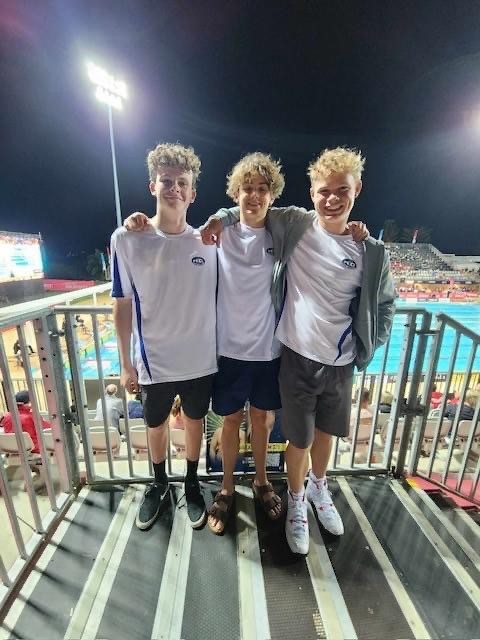
HC Swim Club recently sent a team to compete against the best age group swimmers in Australia. Our team, lead by Head Coach Rachel Brennemo, of William Botterill-James, Daniel Francis, Eli Jones, Ewan McIlwraith and Daniel Shilcock, held their own ranking 86th out of over 200 clubs- an impressive achievement for a team of 5 swimmers!
Daniel Francis contested 2 B Finals, for 14 Years 50m & 100m Freestyle, placing him in the top 20 in Australia, swimming consistent PBs.
Eli Jones contested the A Final of the 400m IM, placing 6th and swimming a massive PB. He also had top 20 finishes in the 200m IM, 800m Freestyle and 1500m Freestyle, showing his versatality.
William Botterill-James & Ewan McIlwraith both swam competitive times, applying the skills they had been working on in training, setting them up for an exciting year ahead.
Our standout performance from this meet was Daniel Shilcock. Daniel clinched the silver medal in the 50m Backstroke event, along with recording an Olympic Trials qualifying time and setting a new state record in the 200m Individual Medley.

Daniel's time of 26.74 in the 50m Backstroke event was only 0.04 seconds away from winning the gold, making it an incredibly close finish.
In addition to his success in the backstroke, Daniel also made waves in the 200 IM (Individual Medley) event. He broke the Tasmanian State record and finished in fourth place with a time of 2.07.95. This achievement further showcases Daniel's versatility and skill in multiple swimming disciplines.
Looking ahead, Daniel is eagerly anticipating the upcoming Olympics Trials in Brisbane, scheduled for June. He aims to continue his swimming journey over the next 12 months with the HC Swim Club, as he sets his sights on competing at the top level of age group swimming in 2025. Daniel's ultimate goal is to challenge himself against the best swimmers in the world.
It's worth noting that Daniel's dedication and hard work over the past year have paid off, as he has now broken over 30 State records. This remarkable feat highlights his commitment to excellence and his enthusiasm for future races.
With his impressive achievements and determination, Daniel Shilcock is undoubtedly a rising star in the swimming world, and his future in the sport looks incredibly promising.
45 HC Swimmers performed at the recent Tasmanian Cripps Short Course State Championships, supported by coaches Rachel Brennemo, Harry Kink, Dylan Harris and Mitchell Rickards.
As a team we achieved 118 personal bests, along with 16 gold medals, 13 silver medals and 19 bronze medals.
We also had five state records broken by Daniel Shilcock, backing up some incredibly fast swims at the New Zealand Short Course Championships and Victorian Age Championships in August. Since turning 17 in June Daniel has broken an impressive 27 State Age records and 2 State Open records. Congratulations, Daniel!
Across the board our team performed exceptionally well, and the camaraderie and spirit of our team really stood out particularly with big days, after a very busy season.
HC Swim Club achieved some fantastic results at the 2023 Short Course Victorian Age Championships.
Our team was represented by Daniel Shilcock, Eli Jones, Tommy Direen, Ewan McIlwraith, Lara Pederson, Molly Duffy, Ruby Biggins and Leila Joscelyne. Along with coaches; Rachel Brennemo, Dylan Harris and Mitchell Rickards.
Swimmers performed excellently at this high level of competition.
Daniel Shilcock broke five Tasmanian state records (some multiple times over the weekend!) to achieve first place in the 200 Breaststroke; second place in the 200 IM and 200 Backstroke; as well as third in the 100 Backstroke.
Eli Jones also achieved third place in both the 800 and 1500 Freestyle events for the 15/16 age group, despite having only turned 15 a few weeks ago. This trip was a great opportunity for our team to strengthen and provided a learning experience for both swimmers and coaches.