When people think about learning to swim, they often picture mastering strokes like freestyle or breaststroke. While those skills are important, one of the most underrated and lifesaving techniques is far simpler: the ability to float on your back.
Back floating isn’t just a step in the Learn to Swim journey—it’s a vital water safety skill that can save lives.
🌊 Why Back Floating Matters
- A Resting Position in the Water
Swimming can be tiring, especially for beginners or young children. If a swimmer gets too exhausted to continue, floating on the back allows them to rest, conserve energy, and regain control. It buys valuable time until they can swim again or call for help.
- Breathing Made Easy
Unlike treading water or floating face-down, back floating keeps the mouth and nose clear of the surface, making breathing easier and more natural. For children, it also reduces panic since they don’t have to fight to keep their head above water.
- Emergency Survival Tool
In unexpected situations—such as falling into water, being caught in a rip current, or becoming too tired during a swim—knowing how to roll onto the back and float can prevent drowning. It allows the swimmer to stay calm, breathe steadily, and signal for assistance.
🧒 Building Confidence Early
For children, learning to back float provides a huge confidence boost. Once they realise they can relax and breathe safely on their back, their fear of water often decreases. This confidence helps them progress more quickly in other swimming skills, as they know they have a safe “default position” to return to if they ever feel unsure.
🏊 How We Teach Back Floating
At our Learn to Swim program, back floating is taught through a simple progression designed to build trust and confidence:
- Step 1: Mushroom Floats – Swimmers start curled into a ball, feeling the water’s buoyancy and learning to trust it.
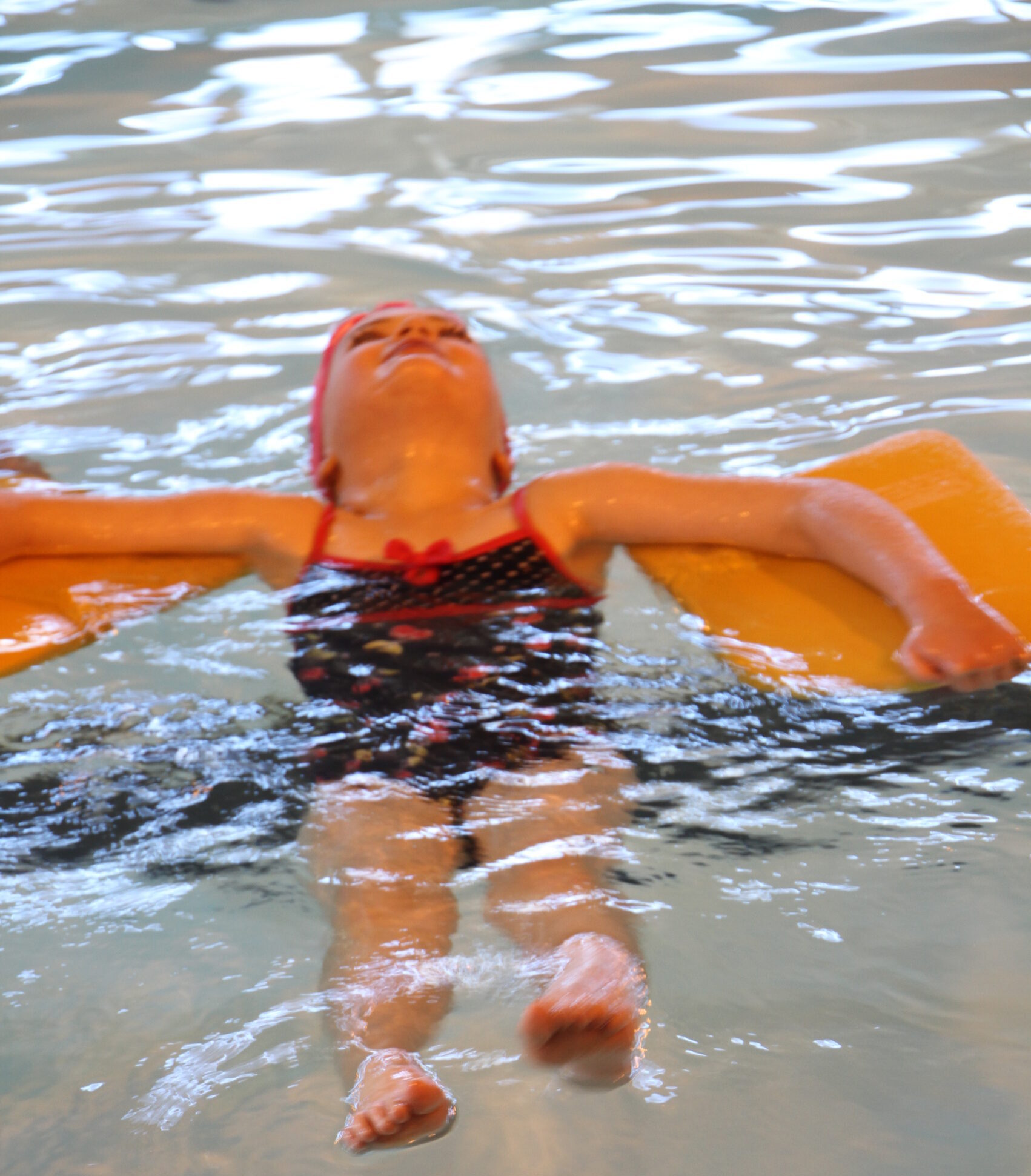
- Step 2: Assisted Back Floats – With the support of kickboards or noodles, swimmers practise lying back, relaxing, and breathing steadily.
- Step 3: Independent Back Floats – Gradually, swimmers float on their own, working on body position (ears in the water, hips up, arms relaxed).
- Step 4: Deep-Water Floating & Recovery – Finally, swimmers practise floating without aids in deeper water, learning how to roll from front to back and how to recover confidently from a float.
Through this progression, children learn that floating is not only possible—it’s comfortable, empowering, and potentially lifesaving.
💡 The Takeaway
Back floating may not look as impressive as butterfly or as fast as freestyle, but it is arguably one of the most important skills a swimmer will ever learn. It provides safety, confidence, and peace of mind—for both swimmers and parents.
At the heart of water safety is this simple truth: a swimmer who can float can survive.